
Storm Damage Roof Repair in St. Pete
Fast, reliable evaluations and targeted repairs after high winds, heavy rain, or severe weather in Pinellas County.
How Storms Affect Roofing Systems in St. Pete
St. Petersburg's location on Florida's Gulf Coast places it directly in the path of tropical weather systems, seasonal thunderstorms, and the occasional hurricane. Strong winds can lift and displace shingles, crack or shift tiles, bend and separate flashing, and create openings in the roofing system that allow water to enter the building.
Wind-driven rain compounds the problem. Under normal rainfall, water flows across the roof surface and into gutters. During high-wind events, rain is pushed sideways and upward, forcing it beneath shingles, around flashing edges, through roof penetrations, and into areas that typically remain dry.
After a Storm, Watch For:
- Missing or displaced roofing materials
- Active water dripping or staining
- Roofing debris in the yard or gutters
- Visible flashing damage from the ground
- New attic moisture or daylight
Storm Damage We Commonly Repair
Wind-Lifted and Missing Shingles
Strong gusts can lift shingles at their leading edge, breaking adhesive strip bonds and allowing wind-driven rain underneath. Missing shingles leave the underlayment and decking exposed, creating a direct leak path.
Displaced or Broken Tiles
Concrete and clay tiles can shift, crack, or break under wind pressure or debris impact. Displaced tiles expose the underlayment below, which may already be compromised by age, heat, and moisture.
Flashing Damage and Separation
Wind forces can pull flashing away from walls, chimneys, and roof edges. Once separated, these transition points become immediate water-entry locations during subsequent rain events.
Roof Openings from Debris Impact
Fallen branches, airborne objects, and large debris can puncture roofing materials, crack tiles, and create openings that require immediate attention to prevent interior water damage.
Damaged Soffits, Fascia & Drip Edges
High winds can rip soffit panels and fascia trim away from roof overhangs, leaving roof edges exposed to wind-driven rain and pest entry.
Lifted Metal Seams & Ridge Caps
Severe wind pressure often loosens metal trim caps and ridge vents, creating hidden leak pathways along the roof's highest points.
Emergency Roof Protection in St. Pete
When water is actively entering a property after a storm, emergency temporary protection can prevent further interior damage. We provide tarping and temporary covering when available — securing exposed areas until permanent repairs can be completed. Emergency tarping is not a permanent repair, but it stops active water intrusion and protects your property while the repair plan is developed.
After the immediate threat is controlled, we conduct a thorough safe evaluation of the entire roof — not just the obvious damage. Storms rarely cause damage in only one location. Wind may have lifted materials on multiple slopes, loosened flashing at several transitions, or shifted tiles across a broad area.
Safe Storm Damage Evaluation
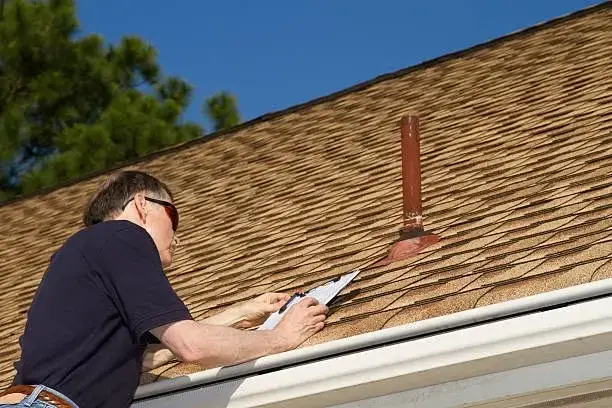
Climbing onto a storm-damaged roof without proper equipment and training is dangerous. Compromised decking, loose materials, wet surfaces, and structural damage create fall risks and additional damage potential. Our crews evaluate storm-damaged roofs using safe access methods, proper fall protection, and systematic inspection to document every affected area.
We document damage with photographs and detailed notes that can support your records. For properties with insurance coverage, this documentation can be provided to your insurer — though coverage determination depends entirely on your policy, the covered cause of loss, and the carrier's assessment.
Storm Damage? We Can Help.
If your roof has been damaged by a storm, contact us for a safe evaluation and honest recommendation. Emergency protection is available when needed.
Permanent Repair Planning
Emergency protection buys time. Permanent repair requires a complete understanding of the damage scope. We develop a repair plan that covers every compromised area — replacing missing or damaged materials, reinstalling flashing, addressing water-entry points, and restoring the roofing system to weather-tight condition.
If our inspection reveals that storm damage is extensive enough to warrant a broader replacement evaluation, we communicate that honestly. We do not push replacement when repair is appropriate, and we do not patch over systemic storm damage when the roof needs more comprehensive attention.
For roofing services across St. Pete and Pinellas County, our team provides honest, inspection-based assessments after every weather event.
Storm Damage Roof Repair Questions
What roof damage can strong winds cause?
Strong winds can lift and tear shingles, displace or crack tiles, bend and separate flashing, pull up ridge and hip caps, loosen fasteners, and create openings that allow water intrusion. Debris impact can puncture membranes and break roofing materials.
What should I do if water is entering after a storm?
Move belongings away from the affected area, place containers to catch active drips, and contact a roofing professional. Do not climb onto a storm-damaged roof yourself. Emergency tarping or temporary covering can be installed to stop active water entry until permanent repairs are completed.
Is emergency tarping a permanent repair?
No. Emergency tarping is a temporary protective measure designed to prevent further water intrusion while permanent repairs are planned and completed. Tarps deteriorate quickly under sun and wind and are not a substitute for proper roofing repair.
Does insurance cover storm damage to roofs?
Coverage depends on your specific insurance policy, the cause of loss, your deductible, the roof's pre-loss condition, policy exclusions, and the insurer's assessment. We provide documentation of the damage identified during our inspection, but we cannot guarantee any specific coverage outcome.
Roof Repair Services We Provide
Our repair scope covers the most common roofing issues found on St. Petersburg residential and commercial properties.