
Shingle Roof Repair in St. Pete
Restoring damaged, missing, or aging asphalt shingles with proper material matching and wind-resistant installation.
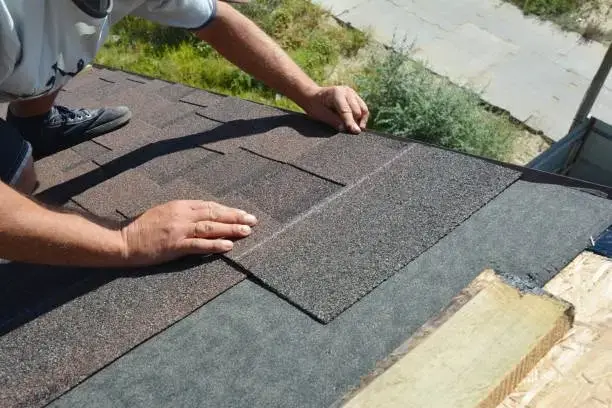
Why Shingles Fail in St. Pete's Climate
Asphalt shingles are the most common residential roofing material across St. Petersburg and the broader Tampa Bay area. They perform well under normal conditions, but Florida's Gulf Coast climate accelerates their aging. Intense UV radiation breaks down the asphalt binder and protective granule coating. Sustained high temperatures cause thermal expansion, weakening adhesive strips that hold shingle tabs in place.
Heavy rainfall — often arriving in sudden, intense afternoon thunderstorms — tests the integrity of every shingle, nail, and underlayment layer. Wind-driven rain can push water beneath shingles that are lifted, improperly sealed, or missing adhesive bond.
What We Check During Shingle Inspection
- Adhesive strip bond integrity
- Granule coverage and loss patterns
- Fastener condition and placement
- Underlayment and decking beneath
- Ridge and hip cap condition
- Flashing at walls and penetrations
Common Shingle Damage Patterns We Repair
Missing Shingles
Wind can tear shingles completely from the roof, especially older shingles with weakened adhesive strips. Each missing shingle exposes underlayment — and potentially decking — to direct water contact.
Lifted and Creased Shingles
Before a shingle tears away, wind typically lifts it at the leading edge, creasing the material and breaking the adhesive bond. Creased shingles rarely reseal on their own and remain vulnerable to continued wind uplift.
Cracked or Curling Shingles
UV and thermal cycling cause shingles to become brittle over time. Cracks allow water penetration, while curling edges create wind-catch points that accelerate further damage.
Granule Loss
The mineral granules on asphalt shingles protect the underlying material from UV radiation. When granules erode — visible as sand-like material in gutters — the shingle loses its protective barrier and deteriorates faster.
Exposed or Backed-Out Nails
Fasteners can back out over time due to thermal movement, wood expansion, or improper initial installation. Exposed nail heads create direct water-entry points through the shingle surface.
Sealant & Ridge Cap Separation
Ridge caps along roof peaks experience extreme wind uplift. Deteriorated sealant strips or loosened cap shingles leave top joints exposed to wind-driven rain.
Repair vs. Replacement: When Shingle Repair Makes Sense
A targeted shingle repair is appropriate when the damage is localized — a few missing shingles, a section of wind damage, failed ridge caps, or exposed nails — and the surrounding material remains in serviceable condition. We evaluate the age and overall condition of the roof system before recommending repair.
If inspection reveals widespread granule loss, multiple areas of adhesive failure, brittle material across the field, or significant underlayment deterioration, we discuss the findings honestly. Sometimes the most cost-effective path forward is a broader replacement evaluation rather than repeated repairs on an aging system.
Our Shingle Repair Approach
Material Matching
We take care to match replacement shingles to the existing roof in color, profile, and manufacturer line when possible. While exact matches are not always available for discontinued products, we select the closest compatible option to maintain visual consistency.
Underlayment and Decking Inspection
Repairing visible shingle damage without checking the underlayment and decking underneath is incomplete. We inspect these layers wherever shingles are removed to confirm there is no hidden moisture damage, rot, or deterioration that would compromise the repair.
Proper Fastening
Every replacement shingle is fastened according to manufacturer specifications and applicable wind-resistance requirements. Proper nail placement, depth, and pattern directly affect how well shingles resist wind uplift in St. Pete's storm-prone environment.
Shingle Damage? Get a Free Assessment
Whether you have missing shingles, wind damage, or visible granule loss, schedule a free inspection and receive a clear repair recommendation.
For reliable roof repair services you can trust across Pinellas County, contact our experienced team.
Shingle Roof Repair Questions
Can individual shingles be replaced?
Yes. Individual shingles or small groups of shingles can be removed and replaced without disturbing the surrounding roof. This is one of the advantages of shingle roofing systems — targeted repairs are often straightforward when the underlying material is sound.
What are signs of wind-damaged shingles?
Common signs include lifted or folded-back shingle tabs, horizontal crease lines across shingles, missing shingles with exposed underlayment, shingle fragments in the yard, and broken adhesive strip bonds visible as lifted edges along rows of shingles.
What does granule loss mean for my shingle roof?
Granules protect the asphalt binder from UV radiation. When granules erode, the exposed asphalt accelerates deterioration. Some granule loss is normal on new shingles, but significant ongoing loss — visible as accumulation in gutters — indicates the shingles are aging and may need attention.
Can a few missing shingles cause a leak?
Potentially, yes. When shingles are missing, the underlayment is directly exposed to rain and UV. If the underlayment is intact, it provides temporary protection — but it is not designed for prolonged exposure. If the underlayment is compromised, water can reach the decking and enter the building.
Roof Repair Services We Provide
Our repair scope covers the most common roofing issues found on St. Petersburg residential and commercial properties.