
Professional Roof Leak Repair in St. Pete
Tracing leaks to their actual source — not just the visible symptom — so your repair addresses the real problem the first time.
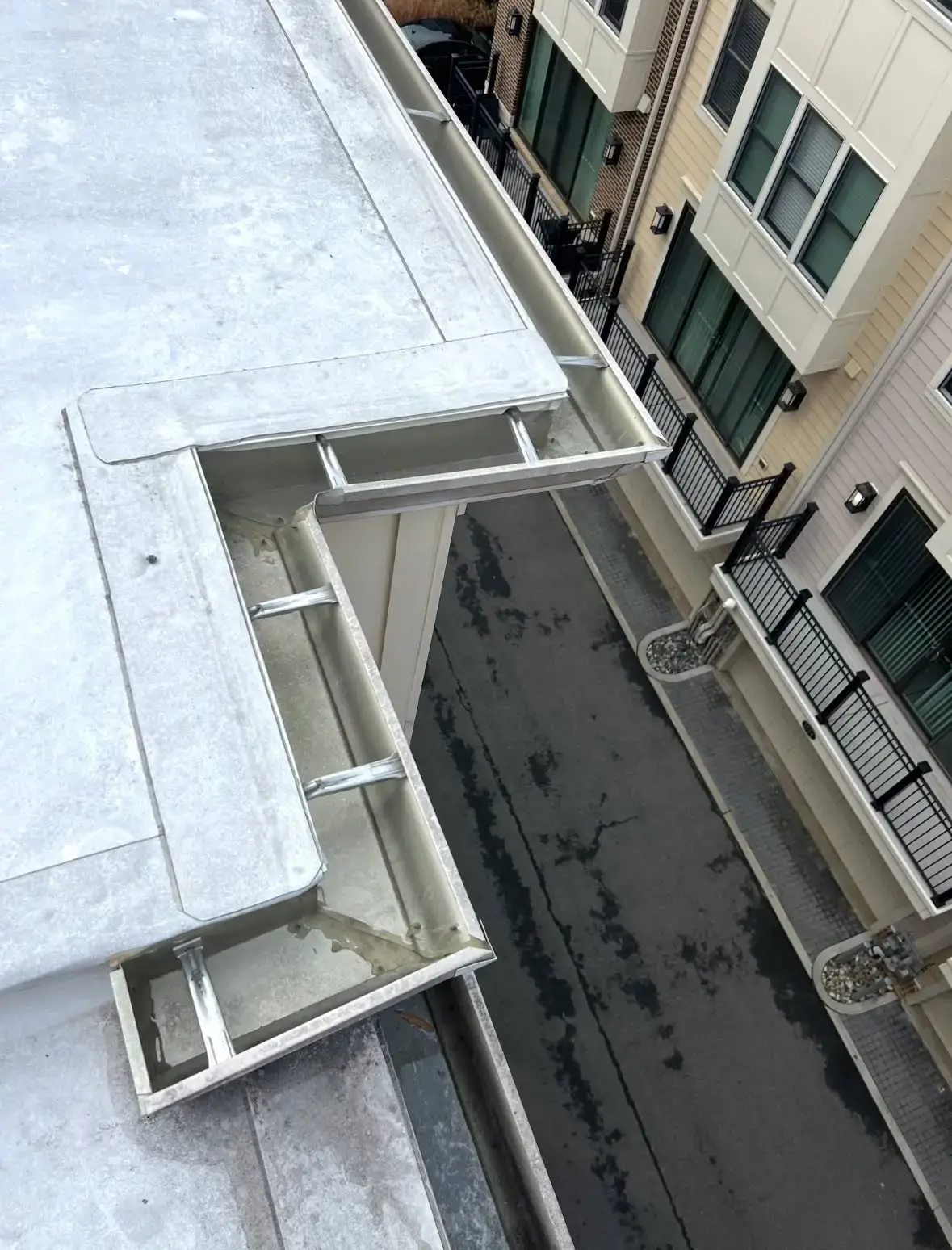
Why Roof Leaks Require Source-Based Diagnosis
A water stain on a ceiling is a symptom, not a diagnosis. The actual point where water enters the roofing system may be several feet — or even an entire roof section — away from where the stain appears indoors. Water can travel along underlayment, follow the slope of decking, run along rafters or trusses, saturate insulation, and move through wall assemblies before becoming visible inside your home.
In St. Pete's climate, where heavy afternoon rainstorms and wind-driven rain are common throughout the summer months, leaks may only appear under specific conditions. A roof that stays dry during light rain may leak during a storm that drives water sideways into flashing joints, unsealed penetrations, or tile underlayment. Identifying the true entry point requires careful inspection, not guesswork.
Why Source-Based Repair Matters
- Stops the leak permanently — not temporarily
- Prevents unnecessary costs from repeat repairs
- Protects interior finishes and structural components
- Addresses hidden moisture before mold develops
Signs Your Roof May Have an Active Leak
Water Stains or Moisture Inside the Property
Brown or yellowish stains on ceilings and walls are the most common interior signs of a roof leak. These stains may appear, fade, and return as conditions change — indicating an intermittent leak tied to wind direction, rain intensity, or seasonal factors.
Damaged Flashing, Vents, or Pipe Boots
Metal flashing around chimneys, skylights, walls, and roof edges can separate, corrode, or bend over time. Pipe boots — the rubber or metal seals around roof penetrations — crack and deteriorate under Florida's UV exposure. These failures create direct water-entry paths.
Attic Moisture or Mold
Damp insulation, visible moisture on the underside of roof sheathing, or mold growth in the attic are strong indicators that water is entering through the roof. Attic inspections often reveal the leak's approximate entry area before exterior inspection confirms the source.
Targeted Leak Repairs & Penetration Sealing
Once the source is identified, we perform a targeted repair that addresses the actual entry point and any pathway damage the water has caused. This may involve replacing failed flashing, reseating or replacing a pipe boot, repairing a valley, addressing compromised underlayment beneath tiles, or sealing a flat-roof membrane puncture using manufacturer-compatible materials.
We do not apply surface sealant over a symptom and call it a repair. If the source is a failed flashing joint, we remove the compromised section and install proper replacement flashing. If the underlayment beneath tile roofing has deteriorated, we address the underlayment — not just the tile above it. The goal is a repair that stops the leak permanently, not temporarily.
Common Roof Leak Sources We Repair in St. Pete
Roof Damage Homeowners Can Safely Look For
Inspect Ceilings and Interior Walls for Moisture
Check for discoloration, bubbling paint, or damp spots on ceilings — particularly after heavy rain. Look for patterns: does the stain appear in the same location repeatedly?
Check the Attic When Safely Accessible
If your attic is safely accessible, look for daylight coming through the roof, damp insulation, water marks on rafters, or mold on the underside of sheathing. These observations help narrow down the leak zone.
Look for Roofing Debris Around the Property
Shingle granules in gutters, pieces of roofing material in the yard, or visible flashing displacement can indicate where the roofing system has been compromised.
Note When the Damage or Leak First Appeared
Tracking when a leak appears — after heavy rain, during wind-driven rain, or consistently — helps our inspection team focus on the most likely sources and conditions.
Check Gutter Outlets & Downspouts
Granule accumulation in downspouts or overflow during rain indicates roof surface erosion and drainage blockage that forces water back under shingles.
Monitor Wall & Flashing Junctions
Check exterior sidewalls, chimney bases, and porch roofs for peeling paint or dark moisture streaks after heavy wind-driven rain events.
Our Roof Leak Repair Process
On-Site Inspection
We start with a comprehensive inspection covering the interior symptoms, attic space (when accessible), and the entire roof surface. We trace water paths from the visible damage back to the entry point.
Written Repair Scope
After identifying the source, we provide a written scope explaining what we found, what caused the leak, the recommended repair, the materials involved, and the cost.
Professional Repair
Our crew performs the repair using proper materials and methods specific to your roofing system. We address the source — not just the symptom.
Cleanup & Follow-Up
After completing the repair, we clean the work area and follow up to confirm the leak has been resolved. If the leak involved interior damage, we can advise on next steps for restoring affected areas.
Need a Roof Leak Assessment?
If you notice water stains, attic moisture, or active dripping, schedule a professional inspection. We trace leaks to the actual source and provide a clear repair recommendation.
Need professional help with an active leak? Our local roof repair team is ready to inspect your property and provide a clear recommendation.
Roof Leak Repair Questions, Answered
Why is a ceiling stain not directly below the roof leak?
Water enters through one point on the roof but can travel along underlayment, decking, rafters, trusses, and insulation before dripping onto a ceiling. The stain you see may be several feet — or more — from where the water actually enters the roofing system.
Can a roof leak be repaired without replacing the roof?
Yes, in many cases. If the leak originates from a localized failure — failed flashing, a damaged pipe boot, a compromised section of underlayment — a targeted repair can resolve the issue. Roof replacement is typically recommended only when deterioration is widespread or previous repairs have repeatedly failed.
Can flashing cause a roof leak?
Absolutely. Failed, bent, separated, or corroded flashing is one of the most common causes of roof leaks. Flashing protects critical transitions — walls, chimneys, skylights, penetrations — and when it fails, water has a direct path into the roofing system.
Can tile underlayment leak even when tiles look intact?
Yes. Tile roofing relies on the underlayment beneath the tiles as the primary waterproofing layer. Over time, underlayment can deteriorate from heat, moisture, and UV exposure. When this happens, water can enter the roof system even though every visible tile appears to be in good condition.
Roof Repair Services We Provide
Our repair scope covers the most common roofing issues found on St. Petersburg residential and commercial properties.